Recent Articles

Mockups, Images, Icons, Card Templates...

Premium Quality Fee Mockups, Make Right Here!

The biggest source of free photo-realistic mockup online

The Most/Recent Articles

Remote Work Guide: Best Skills and Jobs for Online Work

Future of Work from Home Jobs in USA

Intro: Work from Home Jobs

The way people work has changed quickly thanks to new technology, shifting office trends, and global events. Working from home has become a major feature of professional life across the United States. This article explores how remote work is growing, its challenges, and the many opportunities it brings for both workers and companies.

The Remote Work Revolution: Key Drivers and Trends

Remote work has evolved greatly in recent years. Thanks to fast internet, cloud computing, and team collaboration tools, employees and employers can now work efficiently from anywhere.

The COVID-19 pandemic further accelerated this change. With many offices closed, companies across the country switched to remote setups to keep business going. This massive shift showed just how flexible and practical remote work can be, encouraging many organizations to rethink the traditional office system.

Today, many companies—from large tech firms to small startups—offer remote roles in multiple fields. This transformation has reshaped how and where people work, making flexibility the new standard.

Benefits of Remote Work for Employers and Employees

Remote work offers big advantages for both sides. For employees, it provides flexibility. They can plan their days around their lifestyle, improving their work-life balance.

Employers gain access to a larger pool of talent across different regions. This not only increases diversity but also helps find skilled workers without geographic limits.

Many workers also report higher productivity at home. With no commute, fewer distractions, and more control over their space, employees often perform better. This leads to higher satisfaction and retention, benefiting companies in the long run.

Challenges of Remote Work: Bridging the Digital Divide

Despite many positives, remote work still comes with challenges. One of the biggest is unequal access to technology. Not everyone has fast internet, reliable devices, or a comfortable home workspace.

Resources like “The Work from Home Jobs Guide” highlight these issues and stress the importance of solutions such as affordable internet access, equipment support, and shared workspaces to ensure equal opportunity for all.

Maintaining team connection is another challenge. Without face-to-face meetings, communication can drop. To overcome this, businesses now use online tools, project management platforms, and regular virtual meetings to keep teams aligned and engaged.

The Hybrid Work Model: Balancing Flexibility and Collaboration

Many companies are now combining remote and in-office work into a hybrid model. This setup offers flexibility while still encouraging collaboration and team culture.

“The Work from Home Jobs Pilot” points out that hybrid models require good planning and communication. Offices are being redesigned to include flexible spaces, shared desks, and collaborative areas for when employees come in.

This blended model respects employees’ different preferences. Some may prefer remote focus time, while others thrive on in-person teamwork. The goal is to enjoy the best of both worlds—productivity and connection.

Industry-Specific Impacts: How Different Sectors Are Adapting

The shift to remote work looks different across industries. Tech companies and startups found it easy to adapt, since they already relied heavily on digital tools. Other fields, such as finance and healthcare, are testing hybrid options to balance security and flexibility.

“The Remote Work Pilot” notes that creative industries are experimenting with virtual brainstorming tools and online design platforms. Roles like software development, digital marketing, and data analysis lead the remote job market, but customer service and admin positions are also catching up.

Impact on Cities and Rural Areas

Remote work is reshaping both cities and small towns. Before, people had to live near major cities for jobs. Now, many are moving to areas that offer better affordability and lifestyle.

Reports like “The Remote Work Guide” show that small towns are seeing new growth as professionals relocate. This shift could help boost local economies and spread wealth more evenly across regions.

Big cities, meanwhile, are improving living conditions with more green spaces and flexible work hubs to keep attracting talent who want urban convenience without daily commutes. This new balance between city and rural life marks a major shift in modern work culture.

The Future of Remote Work: Opportunities and Considerations

Remote work is here to stay. It allows for a more inclusive workforce by giving people from different backgrounds, abilities, and locations the chance to contribute equally.

“The Remote Work Pilot” explains that businesses are now focusing on results instead of hours worked. This new performance approach gives employees more independence and accountability.

The gig economy is also growing fast. Freelance and contract work—like writing, virtual assistance, and consulting—have become common, offering flexible income opportunities.

Still, there are challenges such as loneliness and burnout. Employers are addressing these by offering wellness programs, flexible schedules, and virtual team activities to maintain well-being and connection.

Technology Innovations Supporting Remote Work

New technology continues to make remote work easier. Video conferencing, collaboration platforms, and virtual reality spaces help teams stay connected and creative.

Tools featured in “The Remote Work Guide” show how virtual offices and augmented reality are creating more engaging digital workplaces. Some companies even build shared online spaces where employees can interact in real time.

Artificial intelligence (AI) is also playing a key role. AI tools assist with project tracking, task automation, and data insights—helping managers make smarter decisions and improve productivity.

Challenges and Solutions: Building a Sustainable Remote Work Environment

To make remote work last, organizations must handle issues like cybersecurity, reliable infrastructure, and company culture. “The Remote Work Guide” highlights that strong training, secure systems, and clear communication are essential.

Jobs that usually require in-office presence—like customer service or manufacturing—are finding new ways to adapt through remote-friendly tools, flexible schedules, and specialized training.

Supporting mental health is also key. Companies are promoting virtual social events, mental health resources, and open communication to keep employees connected and motivated.

Conclusion: Shaping the Future of Work

In summary, remote work has permanently changed how people work in the U.S. What began as a temporary solution has evolved into a long-term shift toward flexibility and freedom.

“The Remote Work Pilot” provides insights and tips for navigating this new landscape. The future of work centers around inclusion, adaptability, and balance between personal and professional life.

Working from anywhere is now more than a trend—it’s a lifestyle that encourages autonomy and purpose. As workplaces evolve, embracing remote work principles will help businesses and individuals thrive in a more dynamic, human-centered world.

Read Also

How to set up TikTok Shop for sellers in 2026

TikTok Shop setup for sellers in 2026 follows a streamlined process, with updates emphasizing AI-driven product recommendations and enhanced verification for global markets like Singapore.


Eligibility Check

Sellers must have a TikTok Business Account, be 18+, and operate in supported regions (e.g., Singapore, US, UK, Southeast Asia). Businesses need valid licenses, tax IDs, and a warehouse/fulfillment option; individuals require ID verification. Approval rates have improved in 2026 but prioritize compliant e-commerce history.


Registration Steps

Log into TikTok Seller Center (seller.tiktok.com) or the TikTok app's Shop tab.


Click "Sign Up" and select Business or Individual account.


Enter email/phone, verify via OTP, and link a TikTok personal/business account.


Fill in business details: name, address, EIN/VAT (Singapore requires ACRA registration).


Verification Process

Upload ID (passport/NRIC for Singapore sellers), business license, and proof of address. 2026 adds facial recognition and bank statement checks for faster 1-3 day approvals. Expect stricter scrutiny on product authenticity to combat counterfeits.


Product Listing

Add products via Seller Center: upload high-quality images/videos (under 60s), titles (≤100 chars), descriptions, prices, variants, and shipping.


Comply with 2026 rules: no prohibited items (e.g., alcohol, weapons); use TikTok's AI tagging for categories.


Integrate inventory from Shopify/WooCommerce for sync.


Payment & Fulfillment

Link a bank account for payouts (processed weekly/bi-weekly). Choose Seller Shipping (self-fulfill) or TikTok Fulfilled (via partners like Ninja Van in Singapore). Fees: 2-8% commission + transaction costs, lower for high-volume sellers in 2026.


Launch & Optimization

Go live after review (1-7 days). Promote via TikTok videos, Lives, or ads; use Shop Ads for 2026's algorithm boosts. Track analytics in Seller Center for sales, returns (≤30-day policy).


Requirement Individual Sellers Business Sellers

Verification Docs ID + selfie License + tax ID + bank proof

Inventory Limit 50 SKUs initial Unlimited post-approval

Fees (2026 avg.) 5% commission 2-6% + fulfillment options

TikTok Advertising Guide for Businesses

TikTok Ads in USA 2026

TikTok blew up fast in America. Short videos keep people hooked. Now brands pour money into TikTok ads to reach young crowds. This guide breaks down how TikTok ads work and why they're huge for businesses.


How TikTok Got Massive


1. Quick Rise to Fame:

Launched 2016 by Chinese company ByteDance. Short 15-60 second videos with cool music and effects. Addictive stuff. Went from zero to cultural giant fast.


2. Huge USA Audience:

Millions of Americans use it daily. Not just teens anymore - all ages scroll "For You" pages endlessly.


TikTok Ads Basics


1. The Ads Platform:

TikTok built a full ad system. Brands can target exactly who they want. Different ad types for different goals.


Main Ad Types


In-Feed Ads: Show up in normal video feeds. Look like regular posts.


Hashtag Challenges: Brands create challenges. Users make their own videos. Goes viral fast.


Branded Effects: Custom AR filters/effects. Users play with them in videos.


TopView Ads: Full screen takeover when app opens. Maximum attention grabber.


Brand Takeovers: Work with TikTok influencers for authentic content.


Smart Targeting


1. Who You Can Target:

Age, location, interests, behaviors. Super precise. Hit exactly your dream customers.


2. Global + Local:

Reach millions worldwide. Algorithm also pushes to local audiences who'll actually care.


How TikTok Changed Marketing


1. Creativity Rules:

Forget boring sales pitches. TikTok ads that entertain win. Brands get creative or get ignored.


2. Real User Content:

People trust other users more than ads. TikTok ads mix with real videos perfectly.


3. Gen Z Goldmine:

Young crowd with spending power. They control trends and culture.


4. Short Videos Everywhere:

TikTok made everyone love 15-60 second clips. Other platforms copied this format.


Real Success Stories


1. Chipotle #GuacDance:

Challenge to dance for free guac. 250,000+ user videos. Went mega viral.


2. e.l.f. Cosmetics #eyeslipsface:

Teamed with influencers. Billions of views. Makeup brand blew up.


The Challenges


1. Stay Real:

People spot fake ads instantly. Must feel authentic or nobody watches.


2. Keep Up With Trends:

Trends change daily. Jump on right ones at right time or miss out.


What's Next for TikTok Ads 2026


1. New Ad Formats:

More interactive stuff coming. Better AR, shopping features, live ads.


2. Shop Directly in App:

Buy stuff without leaving TikTok. Seamless shopping rolling out big.


3. Better Analytics:

Track exactly what's working. Real-time data for smarter spending.


4. Influencer Power:

Bigger focus on creators. Authentic partnerships beat traditional ads.


Bottom Line


TikTok ads changed the game. Short videos + massive young audience = perfect for brands.


Success secret: Be creative, stay real, jump on trends fast. Brands that entertain instead of sell win big.


TikTok isn't going anywhere. Smart marketers bet big on it in 2026.

Why Insurance Rates Change and What Consumers Should Know

 Are Insurance Companies Actually Making Money? Simple 2026 Guide


Introduction


Insurance prices keep going up all over America. People have real questions:

👉 Do insurance companies actually make good money?

👉 If they're so profitable, why do my premiums never stop rising?


Truth is - it's complicated. Some years they're super profitable. Other years they lose big money. Depends on disasters, inflation, and what type of insurance.


This guide breaks down exactly how insurance companies make (or lose) money and why your rates keep climbing.


Insurance paperwork, calculator, and tax forms showing what payouts are taxable in 2026.


How Insurance Companies Make Money


They make money two main ways:


1. Underwriting profit

— Money left after paying claims from premiums collected


2. Investment income

— Making money by investing all the premiums they collect


Here's the key: Even when they lose money on claims, they can still make big bucks from investments.


---


Understanding Underwriting Profit


Underwriting = premiums collected minus claims paid minus expenses


Example: Collect $1 billion premiums, pay $900 million claims/expenses = $100 million profit


Big truth: Most insurance companies LOSE MONEY underwriting. They survive on investment returns.


---


Understanding Investment Income


Insurance companies sit on TRILLIONS of dollars in premiums and reserves. They invest it and earn:

- Government bonds

- Corporate bonds

- Real estate

- Blue chip stocks


Example: $100 billion invested at 4% = $4 BILLION profit


That's why they stay profitable even in bad claim years.


---


Why Do Premiums Keep Going Up?


If they're making money, why raise rates? Here are the real reasons:

1. Inflation - car parts, home materials, medical bills, repair labor ALL cost more

2. More claims - more accidents, lawsuits, weather damage

3. Reinsurance costs - they buy insurance too, and those prices exploded

4. Fraud - costs $300+ billion yearly

5. Natural disasters - fires, floods, hurricanes kill profits


---


Are Auto Insurance Companies Profitable?


Auto insurance? Rough years lately.


Problems:

- Car repairs cost a fortune now

- Parts shortages everywhere

- Cars packed with expensive tech

- People distracted driving more

- Medical bills through the roof


2026 trend: Premiums rising because claims outpace what they collect.


Still profitable overall? Yes - thanks to investments covering underwriting losses.


---


Are Health Insurance Companies Profitable?


Health insurance = usually very profitable.


Why they win:

- Renew premiums every year

- Good at predicting medical costs

- Big employer group plans

- Government-backed markets

- Huge enrollment numbers


Profit margins: 3-10% (better than most insurance types)


---


Are Life Insurance Companies Profitable?


Life insurance = super steady profits.


Why they do well:

- Long-term policies

- People don't die as often as expected

- Cash value policies make extra money

- Heavy investing

- Good death rate predictions


Margins: 5-15%


---


Are Home Insurance Companies Profitable?


Home insurance profits vary wildly by state.


Good states:

Iowa

Indiana

Idaho

Ohio


Tough states:

Florida

California

Louisiana

Texas


Why? Hurricanes, wildfires, floods + crazy reinsurance costs.


Many insurers just left high-risk states entirely.

Insurance claim documents with calculator and IRS forms showing taxable and non-taxable insurance payouts for 2026.


Why Insurance Companies Sometimes Lose Money


One bad year can wipe out profits:

- Massive hurricanes

- Huge wildfire seasons

- Tornado outbreaks

- Crazy winter storms

- Lawsuit explosion

- Medical inflation

- Massive fraud


Even good companies can lose BILLIONS one bad year.


---


How Claims Kill Profits


Claims = biggest expense.


Loss ratio = claims ÷ premiums

Over 100% = losing money on underwriting


---


2026 Insurance Profit Trends


1. Premiums still rising across the board

2. Investment income at record highs

3. Home insurers hurting in disaster states

4. Health insurance staying strong

5. Auto insurance stabilizing after rough years


---


Higher Premiums = Higher Profits?


Nope.


Premiums pay for:

Claims

Adjusters

Staff

Repairs

Lawyers

Reinsurance

Tech

Rent


Higher premiums usually mean higher claim costs, not fatter profits.


---


Profitable During Disasters?


Sometimes yes - but not from claims.


After big disasters:

Claims explode

Underwriting goes negative

Investments can still save the year


---


Insurance Profits vs Other Industries


Insurance margins are TINY:

Auto: 1-5%

Home: negative to 4%

Health: 3-10%

Life: 5-15%


Compare:

Banks: 30%

Tech: 20-40%

Energy: 12-25%


Insurance = high revenue, razor-thin margins, lots of risk.


---


Government Rules on Profits


Each state watches insurance companies closely:

- Premium increases

- Profit margins

- How they handle claims

- Must keep huge cash reserves


Can't just raise rates to get richer - must prove claims went up.


---


Should You Worry About Their Profits?


Probably not.


Reasons to chill:

- Margins are super thin

- Heavily regulated

- Must keep massive reserves

- Rate hikes match real claim inflation


Still smart to shop around though.


---


FAQ - Real Questions People Ask


1. Are insurance companies making money in 2026?

Yes - mostly from investments covering claim losses

2. How profitable are they really?

2-10% margins depending on type

3. Why are they profitable?

Collect premiums upfront, invest for years before paying claims

4. Are auto insurers losing money?

Underwriting yes, overall no - investments save them

5. Health insurance most profitable?

Yes - steady, predictable, huge customer base

6. Do they profit from claims?

No - claims = expenses. Profit when claims < premiums + investments

7. Home insurance profitable everywhere?

No way - disaster states losing big money

Insurance claim documents with calculator and IRS forms showing taxable and non-taxable insurance payouts for 2026.


Conclusion


Bottom line: Insurance companies ARE profitable, but not how you think.


They survive on thin margins + smart investing, not gouging customers. Premium hikes usually match real cost increases from claims and inflation.


Understanding this helps explain why rates go up even when companies show profits.

Cryptocurrency Basics: How Digital Currency Works


How the USA Leads Crypto Growth

Introduction

Crypto is changing money and tech fast. The US has become one of the biggest players helping this happen. This article talks about what the US does with crypto, how it helps, and what problems come up.


What Are Cryptocurrencies?


Cryptocurrencies are digital money using secret codes to stay safe. Bitcoin started it all back in 2009. They use blockchain - basically a shared notebook that nobody controls alone. This makes transactions clear and safe without banks in the middle.


Now there are tons of other coins besides Bitcoin. Ethereum, Ripple, Litecoin, and many more - each does different things and opens new possibilities.


America's Big Role in Crypto


The US leads in creating new crypto ideas and companies. American developers and startups built many of the platforms people use worldwide.


Silicon Valley especially has been ground zero for crypto startups. They make payment systems, apps, everything. This has helped crypto spread globally and made the US a blockchain leader.


Government Rules for Crypto


As crypto grows, governments want rules to keep people safe and stop crime. The US tries to balance new ideas with protecting users.


Different agencies handle different parts. SEC watches investments like coin sales. CFTC handles crypto trading. FinCEN stops money laundering at exchanges.


Clear rules help regular people trust crypto more. But everyone debates - how much regulation is too much? It needs to help good projects grow while catching bad actors.


Crypto Goes Mainstream


Crypto started niche but now big companies use it. Tesla, Square, PayPal all accept it. This makes crypto feel more real.


Crypto ATMs are everywhere now so people can easily buy/sell. Some cards let you spend crypto at normal stores too. It's bridging digital money with everyday shopping.


DeFi: Money Without Banks


DeFi (Decentralized Finance) might be crypto's biggest game changer. These are apps that do bank stuff - loans, trading, savings - without banks.


You can lend your crypto to others and earn interest. Or borrow using your coins as collateral. Trade directly wallet-to-wallet. US developers built many top DeFi platforms.


Problem is DeFi works globally with no central boss, making regulation tricky.


Digital Dollars from the Fed?


Governments worldwide test Central Bank Digital Currencies (CBDCs). A US digital dollar would mix government trust with crypto speed.


The Federal Reserve studies this carefully. Could make payments faster and help money policy. Still early days though.

Crypto Problems and Possibilities


US leads crypto growth but faces real issues. Networks slow down with heavy use. Bitcoin mining uses tons of electricity. Criminals sometimes abuse it.


People work on fixes - greener mining, better connections between chains, more privacy. Meanwhile blockchain helps supply chains, health records, identity too.


Learning About Crypto


Crypto moves fast so people need good info. Universities teach blockchain courses now. Online guides and events help regular folks understand.


Financial education matters most. People need to know risks and how to stay safe with digital money.


Wrapping Up


USA shapes crypto's future through new ideas, smart rules, and mainstream use. As DeFi, digital dollars, and blockchain grow, America leads the way.


The crypto story keeps unfolding. US balances innovation with safety, helping build digital money systems that work for everyone worldwide. Developers, regulators, and users all need to work together.


Beginner Guide to Understanding Financial Markets


USA Financial Market 2026

The ups and downs of the financial markets in the United States continue to attract investors, creating a mix of opportunities, risks, and important decisions. As we move through 2026, the money market is shaped by economic data, new technology, and global events. This article explains the main trends, possible opportunities, and key challenges that investors may face in today’s changing financial world.


Macroeconomic Trends and the Pulse of the Money Market


1. Economic Recovery in the Money Market:

The effects of the COVID‑19 pandemic are still visible and continue to influence both the global and US economy. The United States, known for its strong economic base, has been slowly recovering from the pandemic-related downturn. In 2026, investors in the money market watch the pace of this recovery closely. Data such as employment levels, GDP growth, and consumer spending patterns help set the tone for investment decisions and strategies.


2. Inflation Pressures in Money:

Inflation remains an important topic for the money market in 2026. Prices in many sectors have risen, driven by supply chain issues, strong demand, and changes in the post‑pandemic economy. For investors, it is important to understand how inflation can affect different asset classes, such as stocks, bonds, and real assets. This helps in building portfolios that can better handle rising prices over time.


3. Monetary Policy’s Role in the Money Market:

The central bank of the United States plays a major role in the money market through its interest rate and balance sheet decisions. Changes in policy can affect borrowing costs, asset valuations, and overall liquidity in financial markets. In 2026, policy makers aim to support growth while keeping inflation under control. Their choices about raising, lowering, or holding interest rates can influence how investors position themselves across the money market.


Equity Markets: A Field of Opportunities and Risks in Money


1. Technology and the Money Market:

The technology sector continues to be one of the strongest areas in the equity markets and the broader money market. Fields such as artificial intelligence, cloud computing, clean energy, and biotechnology offer growth potential. Investors who focus on long‑term progress often look for solid companies in these areas, while still paying attention to valuations, competition, and regulation.


2. ESG Integration in Money:

Environmental, Social, and Governance (ESG) factors are now part of mainstream investing rather than a small niche. Many investors prefer companies that show responsible environmental practices, fair treatment of people, and strong governance. Adding ESG criteria to investment decisions reflects a wider move toward more responsible and sustainable use of money.


3. Cyclical Sectors and Money Market Dynamics:

Cyclical sectors such as industrials, materials, and consumer discretionary are closely linked to the economic cycle. As the US economy grows, these sectors can benefit from higher demand for goods and services. At the same time, investors need to consider how inflation, input costs, and supply chain issues may affect company profits in these areas when making money market decisions.


Fixed Income Strategies and Alternative Views in Money


1. Bond Market Conditions:

In an environment where interest rates may rise or stay uncertain, fixed income investors face a unique set of challenges in the money market. Because bond prices usually move opposite to interest rates, managing interest rate risk becomes very important. Diversifying across different maturities, credit qualities, and types of bonds can help reduce the impact of rate changes on a portfolio.


2. Alternative Investments in Money:

Many investors look at alternative investments to diversify portfolios and manage risk. Areas such as private equity, hedge funds, infrastructure, and real estate can offer returns that do not always move in the same way as traditional stocks and bonds. However, these investments are often more complex and less liquid, so they require careful research, a clear time horizon, and a good understanding of the risks involved.


Risks in Money and the Importance of Risk Management


1. Geopolitical Uncertainty:

Events between countries can strongly influence financial markets and add surprise risks to the money market. Trade disputes, regional conflicts, and political changes can lead to volatility in currencies, commodities, and equities. Investors should keep an eye on global news and think about how different scenarios might affect their holdings in various asset classes.


2. Cybersecurity Risks in Money:

As more financial activity takes place online, cybersecurity risk has become a serious concern. Attacks on financial institutions, payment systems, or trading platforms can disrupt markets and damage confidence. Strong data protection and security practices are important for both institutions and individual investors to help protect accounts and sensitive information.


Strategies for Navigating the Money Market in 2026


1. Diversification as a Core Money Strategy:

Diversification remains one of the most important principles for managing risk in the money market. Spreading investments across different asset classes, regions, sectors, and styles can help smooth returns when one area is under pressure. A well‑diversified portfolio is often better able to handle unexpected events.


2. Active Portfolio Management in Money:

In a fast‑changing environment, actively reviewing and adjusting a portfolio can be an advantage. This includes checking whether investments still match your goals, rebalancing when allocations drift, and reacting to major changes in the economic or market outlook. Active management can be done by investors themselves or with the help of professional managers.


3. Long‑Term Perspective in Money:

Short‑term market moves can be sharp and emotional, but long‑term investing is usually based on fundamentals. Focusing on quality assets, sound business models, and realistic time horizons helps investors avoid reacting too strongly to daily noise. Over time, patient strategies often benefit from growth and compounding.


4. Staying Informed and Seeking Professional Guidance in Money:

With information moving quickly, staying informed is essential. Following key economic indicators, market analysis, and policy updates can help investors make better choices. For those who feel unsure, talking to qualified financial professionals can provide personalized guidance based on individual risk tolerance, time frame, and financial goals.


Conclusion: Navigating the Mosaic of Money Markets in 2026


As investors move through the complex landscape of money markets in 2026, they face a mix of opportunities and challenges shaped by economic trends, technology, and global events. The financial system is not static—it changes with innovation, policy shifts, and investor behavior. Understanding these forces can help investors respond instead of simply react.


The financial market reflects more than just numbers on a screen. It is influenced by confidence, expectations, and real activity in the wider economy. In 2026, the story of the money market will be written by those who stay flexible, informed, and disciplined. By combining diversification, risk management, and a long‑term view, investors can better navigate periods of uncertainty and seek steady progress toward their financial objectives.

How to Start a Blog and Earn Money Online

In 2026, blogging is still a powerful way to build a personal brand, earn extra income, and share what you know with the world. With AI tools, better SEO helpers, and many ways to earn online, starting a blog and turning it into a small business is more realistic than ever—if you follow a clear plan.

Whether you are a student, stay-at-home parent, freelancer, or full-time employee, this simple guide will walk you through how to start a blog and make money in 2026, step by step.

How To Start a Blog

🚀 Why Start a Blog in 2026?

Blogging today is more than an online diary. It can become a real digital asset that brings in traffic, leads, and income. You can use your blog to attract clients, promote your own products, or earn through ads and affiliate links—all from content you create once and people can read for years.


✅ Step 1: Choose a Profitable Blog Niche

To make money from a blog, you need a topic that people care about and that you can write about consistently. Try to balance what you enjoy with what has clear demand and earning potential.

Popular Blogging Niches in 2026:

  • Personal finance and budgeting
  • Health, wellness, and fitness
  • AI and tech tutorials
  • Travel and digital nomad lifestyle
  • Food, recipes, and meal planning
  • Blogging, freelancing, and online business

Tip: Use keyword and trend tools to check if people are actively searching for topics in your niche and if the interest is stable over time.


🧠 Step 2: Pick a Blog Name and Domain

Your blog name should be simple, easy to say, and clearly related to your topic. Aim for a short, brandable name that you can grow with over time.

Things to keep in mind:

  • Choose a name that fits your niche and audience.
  • Avoid hard-to-spell words and long, confusing phrases.
  • Check that the matching .com domain (or your preferred extension) is available.

🖥️ Step 3: Set Up Your Blog (The Smart Way)

To get your blog online, you need three basics:

  • A domain name (for example, yourblog.com)
  • A hosting provider where your site’s files live
  • A content management system (CMS) to create and manage posts

Why use WordPress.org as your CMS?

  • It’s flexible and widely supported.
  • It has many themes and plugins to customize your site.
  • It’s good for SEO and long-term growth.
  • You fully control and own your content.

When choosing hosting, look for:

  • 1‑click WordPress installation
  • A free SSL certificate (for “https” security)
  • Reliable speed and uptime

📝 Step 4: Write SEO‑Friendly Blog Posts

Your blog needs visitors to earn money, and most new blogs rely heavily on search engines for traffic. That’s where SEO (Search Engine Optimization) comes in.

Key SEO tips in 2026:

  • Use your main keyword in the title, URL, first paragraph, and meta description.
  • Write in-depth, helpful posts (often 1,000–3,000 words) instead of thin content.
  • Use an SEO plugin to guide basic on‑page optimization.
  • Add internal links between your own related posts.
  • Link out to useful, reputable sources when it makes sense.
  • Compress and resize images so your pages load fast.

Pro tip: Focus on long‑tail keywords like “how to start a food blog with no experience” instead of only broad phrases like “food blog.” Long‑tail terms are easier to rank for and bring more targeted readers.


💵 Step 5: Monetize Your Blog

Once you have a steady flow of visitors, you can turn that traffic into income in several ways. Most successful blogs use more than one method.

1. Display Ads

  • Place ads on your site and earn based on page views or clicks.
  • Works best when you have a lot of traffic and informational content.

2. Affiliate Marketing

  • Recommend products or services you trust using special tracking links.
  • Earn a commission when someone buys through your link.
  • You can join general affiliate networks or niche-specific programs.

3. Sell Your Own Products

  • Digital products: eBooks, printables, templates, memberships, online courses.
  • Physical products: branded merchandise, print-on-demand items, or physical goods related to your niche.

4. Sponsored Posts

  • Work with brands that want exposure to your audience.
  • Create honest, clearly labelled sponsored content in line with your readers’ interests.

📈 Step 6: Grow Your Blog Traffic

Monetization only works if you have consistent visitors. Besides SEO, use other channels to bring people to your blog and keep them coming back.

Helpful ways to grow traffic:

  • Pinterest marketing: Great for visual niches such as lifestyle, food, DIY, and home decor.
  • SEO: Keep researching keywords and updating old posts to perform better.
  • Email marketing: Build an email list early so you can notify readers when new posts or offers go live.
  • Guest blogging: Write for other sites in your niche to reach new audiences and build backlinks.
  • Social media: Turn blog posts into short videos, carousels, threads, or pins on the platforms your audience uses most.

🔁 Step 7: Stay Consistent and Track Progress

Blogging is not a “get rich quick” method. It usually takes months of consistent effort before you see regular income, but the results can compound over time.

To stay on track:

  • Use analytics tools to see which posts bring the most traffic and earnings.
  • Update and improve your older content instead of only publishing new posts.
  • Aim to publish at least 1–2 quality posts per week when you start.
  • Outsource tasks like design, editing, or some writing if you feel overwhelmed.

Many new bloggers who stay focused and consistent begin to see their first income within about 6–12 months, though timelines can vary.


🎯 Final Thoughts: Blogging in 2026 Is a Real Business Opportunity

Blogging in 2026 is very much alive—it has simply evolved. If you choose a clear niche, set up your site properly, publish helpful content, and use smart ways to monetize, your blog can grow into a long‑term asset that earns even while you are not actively working on it.

Think of your blog as a business: be patient, learn from your data, keep improving, and stay consistent. Over time, those small steps can add up to a profitable, sustainable online income stream.

SpaceX Innovations and the Future of Space Technology

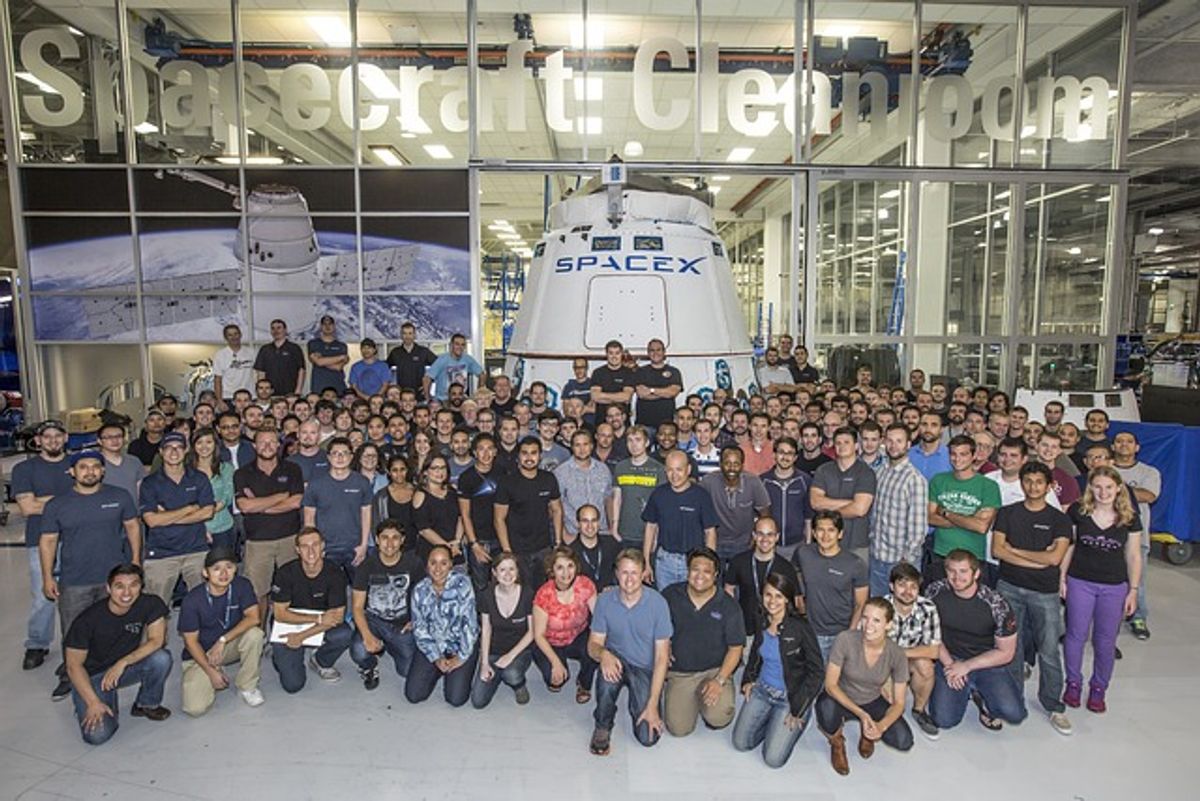
 SpaceX, founded by entrepreneur Elon Musk, has become one of the most important companies in modern spaceflight. Its focus on lowering launch costs and reusing rockets has changed how missions are planned and funded. From reusable boosters to the large Starlink satellite network, SpaceX affects not only space missions but also how people connect to the internet on Earth.

Key Takeaways

  • SpaceX has pushed space travel to become more efficient and less expensive, setting new standards for the whole industry.

  • Rockets like Falcon 9 and Falcon Heavy, and spacecraft such as Dragon and Starship, are major steps forward in launch and mission technology.

  • The Starlink project is helping bring faster internet to many regions, and this can support education, business, and communication in remote places.

  • By working with regulators and governments, SpaceX is helping shape the rules that will guide future space companies.

  • SpaceX’s projects, including Starlink and work on cleaner technologies, are influencing how people think about the environment and space, and are inspiring many young people to learn about science and engineering.

Pioneering Technological Innovation in Aerospace

Pioneering Technological Innovation in Aerospace

Revamping the Fundamentals of Space Travel

SpaceX has helped change the basic ideas behind space travel. Instead of treating rockets as single‑use hardware, the company designs many parts to be recovered and flown again. It also supports flights for many different types of spacecraft, from large satellites to very small payloads.

The company’s work is not only about building new rockets. It also looks at the full mission flow, from launch to landing and reuse. This includes improvements in engines, guidance and navigation, and systems that keep crews and equipment safe during long flights in space.

SpaceX’s approach is to question old habits in the launch business and to look for simpler, faster, and more repeatable ways to reach orbit.

Some of the main areas SpaceX has focused on include:

  • Designing stronger heat shields and better life‑support systems for longer missions.

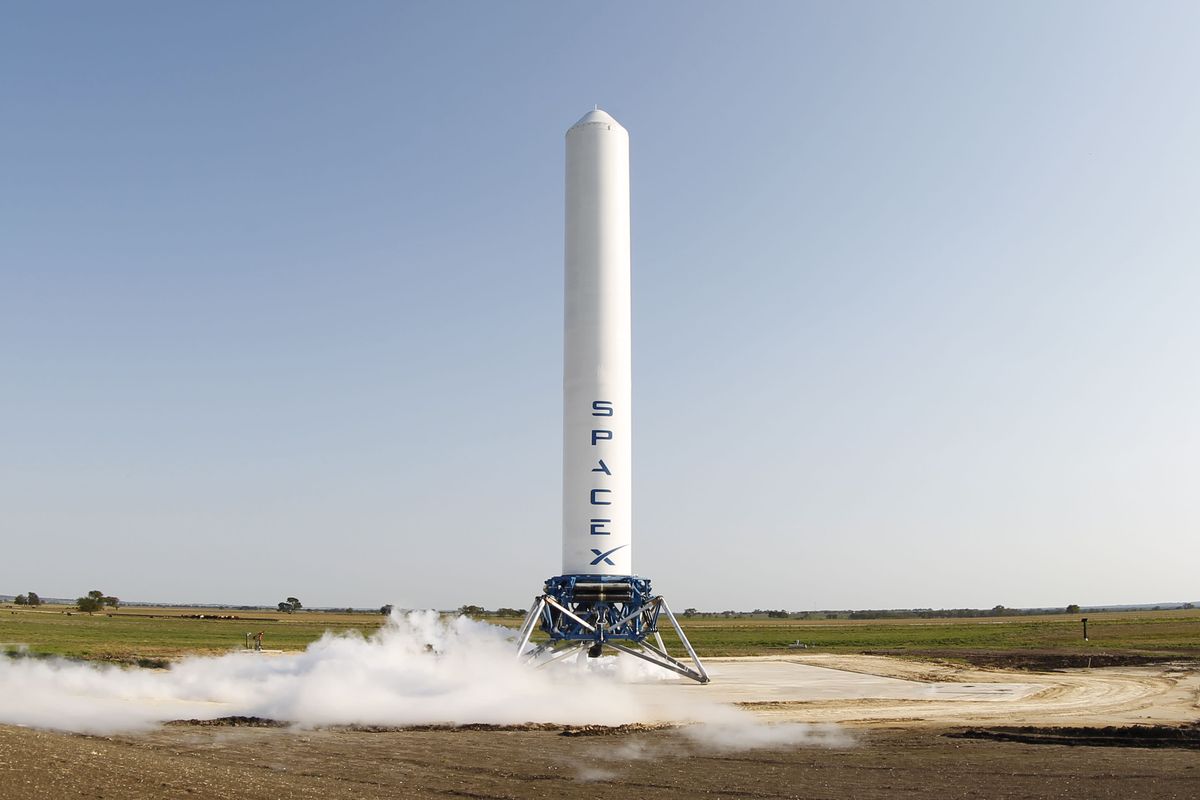
  • Building rocket engines and stages that can land and be prepared for another flight.

  • Planning for future missions where onboard computers and artificial intelligence assist more of the flight.

Setting New Industry Standards

SpaceX has helped make ideas like reusability and frequent launches normal expectations instead of rare events. Its work has shown that boosters can land on land or on ships at sea and fly again, cutting the cost per launch over time. This has also encouraged other companies and space agencies to invest more in similar technologies.

Examples of new standards SpaceX has helped popularize include:

  • Regular reuse of first‑stage rocket boosters.

  • Frequent launch schedules with short gaps between missions.

  • Privately operated crew missions to orbit.

  • Autonomous landings on drone ships instead of only on fixed ground pads.

These changes have helped move spaceflight from rare, special events toward more routine operations, which is important for long‑term exploration plans.

The Backbone of Starlink’s Efficient Operation

SpaceX’s launch systems are a key reason Starlink can grow quickly. Reusable rockets allow many batches of satellites to reach orbit without building a brand‑new booster for every flight. This lowers cost and makes it easier to add or replace satellites as needed.

The Starlink satellites are designed to work closely with ground stations and user terminals, aiming to offer lower delay and more stable connections than many older satellite internet services.

The Starlink network is being built in phases, such as:

  • Phase 1: Launching enough satellites to form the first working network shell.

  • Phase 2: Adding more satellites to strengthen coverage and increase capacity.

  • Phase 3: Upgrading satellites and ground equipment over time to keep improving speed and reliability.

The goal is to create a system that can compete with ground‑based internet in many areas, especially where fiber or cable connections are hard to install.

Exploring the Low Earth Orbit (LEO) Satellite Constellations

Exploring the Low Earth Orbit (LEO) Satellite Constellations

Democratizing Access to Space

SpaceX offers “rideshare” launch options where many small satellites share space on the same rocket. This has helped more governments, companies, universities, and non‑profits gain access to orbit at lower cost than booking a full rocket alone.

The program benefits different groups in ways such as:

  • Government and defense: Wider choice of launch dates and lower costs for certain missions.

  • Commercial operators: Easier access for communication, imaging, and research satellites.

  • Universities: More chances to fly small research payloads for training and experiments.

  • Non‑profits: Options to launch satellites for climate, disaster, or environmental monitoring.

By lowering barriers for smaller payloads, rideshare missions support growth in many new space businesses and research projects.

Fostering Innovation and Collaboration

SpaceX often works with other companies on communication, ground systems, and services that use space‑based data. This kind of cooperation helps spread new ideas and lowers risk for each partner, because they can share knowledge and infrastructure instead of doing everything alone.

Shared work on satellites, antennas, and ground stations encourages more players to join the space sector and speeds up development cycles.

Examples of collaboration areas include:

Area of Collaboration

Description

Universal Internet Access

Using satellite links to reach remote regions.

Technological Development

Co‑development of satellite hardware and software.

Infrastructure Expansion

Building and operating shared ground station networks.

Enhancing Global Connectivity

Starlink aims to reduce gaps in internet access by serving rural, island, and other hard‑to‑reach areas. In places where cables are too expensive or slow to install, satellite internet can become a practical alternative.

Improved access to online tools can support remote learning, telemedicine, local businesses, and emergency services in communities that have had limited connectivity.

Questions often raised about this kind of global network include:

  • How will access to faster internet change daily life in isolated communities?

  • What role will satellite links play in future global networks alongside fiber and mobile systems?

  • How should operators handle issues such as light pollution, debris, and use of radio spectrum?

Advancements Made by SpaceX

Advancements Made by SpaceX

The Falcon 9 and Heavy Rockets

Falcon 9 has become a workhorse rocket for many types of missions, from cargo and crew flights to satellite launches. Its reusable first stage lands after launch and can be flown again after inspections and refurbishment.

Falcon Heavy uses a structure based on three Falcon 9 cores joined together, allowing it to carry much heavier payloads than a single core. Its early flights drew wide attention and showed that heavy‑lift missions can also use reusable elements.

Together, these rockets have shown that reuse and high launch cadence can be combined with missions ranging from low Earth orbit to more distant destinations.

Example track record summary:

Rocket Type

Total Launches

Full Successes

Partial Successes

Failures

Falcon 9

300+ (illustrative)

Large majority

Very few

Very few

Falcon Heavy

Multiple

All to date

0

0

The Dragon and Starship Spacecraft

The Dragon spacecraft family was designed to carry cargo and later crew to orbit. Crew flights to the International Space Station marked a return to launching astronauts from US soil on a commercially built vehicle. Cargo versions continue to move supplies and experiments.

Starship is intended as a fully reusable system for many roles, including satellite launches, deep‑space missions, and possible future flights to the Moon and Mars. It uses high‑performance engines and is being tested in steps, with early flights focused on proving key parts of the design.

Dragon has already supported regular missions in Earth orbit, while Starship represents the next step toward larger and longer‑range flights.

Selected milestones:

Spacecraft

First Flight

Example Milestone

Dragon (cargo)

2010

First commercial cargo visits to the ISS

Crew Dragon

Late 2010s

First crewed orbital mission for a commercial spacecraft

Starship (prototype)

2019

Early test flights of upper stage and engines

Rideshare Program and Cost‑effective Access

The rideshare launch program allows many customers to share one mission, paying only for the space and mass they use. This model helps new and smaller organizations send hardware to orbit without arranging a full dedicated launch.

Typical features include:

  • Published launch dates and standard pricing for common payload sizes.

  • Shared integration processes to simplify payload preparation.

  • Coordinated handling of paperwork and approvals.

By grouping payloads, the program makes better use of each flight and reduces cost per satellite, supporting more experiments and commercial services.

Impact on Space Exploration

Introduction of New Launch Systems

New launch systems built around reuse, high thrust, and flexible mission profiles have made it easier to support many types of missions, from resupply of the space station to planetary probes. This shift helps more organizations plan complex missions that might have been too expensive in the past.

A focus on repeatable, reliable launches with lower cost per flight is a key driver for long‑term exploration plans.

Navigating Regulatory Hurdles

Operating many launches and large satellite constellations means working closely with aviation authorities, communications agencies, and international bodies. SpaceX must obtain and update licenses, share information about launch and reentry paths, and coordinate use of radio frequencies.

  • Following rules for safe launch and reentry corridors.

  • Coordinating with telecom regulators about spectrum use.

  • Adjusting plans as new guidelines for constellations and debris are created.

Learning to match fast‑moving technical plans with careful regulatory reviews has become a core part of running large space programs.

Setting Precedents for Future Space‑based Ventures

By carrying out regular missions under modern rules, SpaceX is helping show how private companies and public agencies can share responsibilities in space. This experience can guide future projects in areas such as tourism, in‑orbit services, and long‑duration habitats.

The more examples regulators and companies have, the easier it becomes to design fair and predictable rules for new types of missions.

Interest in private missions, commercial space stations, and future passenger flights builds on the idea that repeatable, reliable launches and capsules are now possible, not just experimental.

Societal and Environmental Impacts

Societal and Environmental Impacts

Inspiring a New Generation of Space Enthusiasts

Live launch broadcasts, frequent missions, and open sharing of test results have made many people feel closer to spaceflight than in earlier eras. Students and hobbyists follow missions, build small rockets and satellites, and consider careers in related fields.

  • Millions watch launches and landings online.

  • Schools and clubs use current missions as teaching examples.

  • Young people see engineers and astronauts as accessible role models.

This broad interest supports a larger talent pool for the next decades of space projects.

Contributing to Environmental Discussions

SpaceX has discussed ideas such as using captured carbon for fuel and designing systems that can be reused many times instead of thrown away. These concepts are part of a wider effort in industry to reduce waste and explore lower‑impact energy sources.

Space projects now often include questions about emissions, debris, and long‑term sustainability alongside technical goals.

Examples of focus areas include:

Initiative

Description

Reusability

Using the same hardware for many launches to reduce manufacturing waste.

Fuel Research

Exploring options for more efficient engines and possible future fuel sources.

The Social and Economic Effects of Starlink

By offering satellite internet, Starlink can help small businesses, schools, clinics, and households in areas where other options are slow or missing. Better connectivity can support remote jobs, online learning, telehealth, and access to markets and information.

When more people can go online reliably, they gain more ways to earn income, learn skills, and stay informed about events in the wider world.

Conclusion

SpaceX has played a major role in changing how space missions are launched, how often they occur, and who can take part in them. Its rockets and spacecraft have pushed technology forward, while Starlink has begun to change how internet service can be delivered. Together, these efforts have helped make space more open to many new users and have sparked fresh interest in science and engineering.

As the company continues to test new vehicles, expand satellite networks, and work with regulators, its choices will influence how the next generation of space projects is built and managed. The story of SpaceX is still unfolding, but it has already reshaped expectations of what private spaceflight can achieve.

Frequently Asked Questions

What is SpaceX’s main contribution to space travel?

SpaceX has made launches more frequent and less expensive by focusing on reusable rockets and modern spacecraft, helping more missions reach orbit.

How does Starlink change internet access?

Starlink uses many satellites in low Earth orbit to offer high‑speed connections, especially in places where traditional internet lines are hard to install.

Which rockets are most associated with SpaceX?

Falcon 9 is the main workhorse rocket, Falcon Heavy can lift heavier payloads, and Starship is being developed for larger and longer‑range missions.

What is the rideshare program?

The rideshare program lets many small satellites share space on a single launch, lowering the cost for each customer.

How is SpaceX influencing the next generation?

Frequent, public missions and visible progress have inspired many students and young professionals to study science, engineering, and space‑related fields.

What challenges does SpaceX still face?

SpaceX continues to work on technical issues like fully reusing large vehicles, managing large satellite constellations, and meeting evolving safety and regulatory rules.